
Business concept
A focused listening library
Your listening library has one name for the first collection and every session that follows.
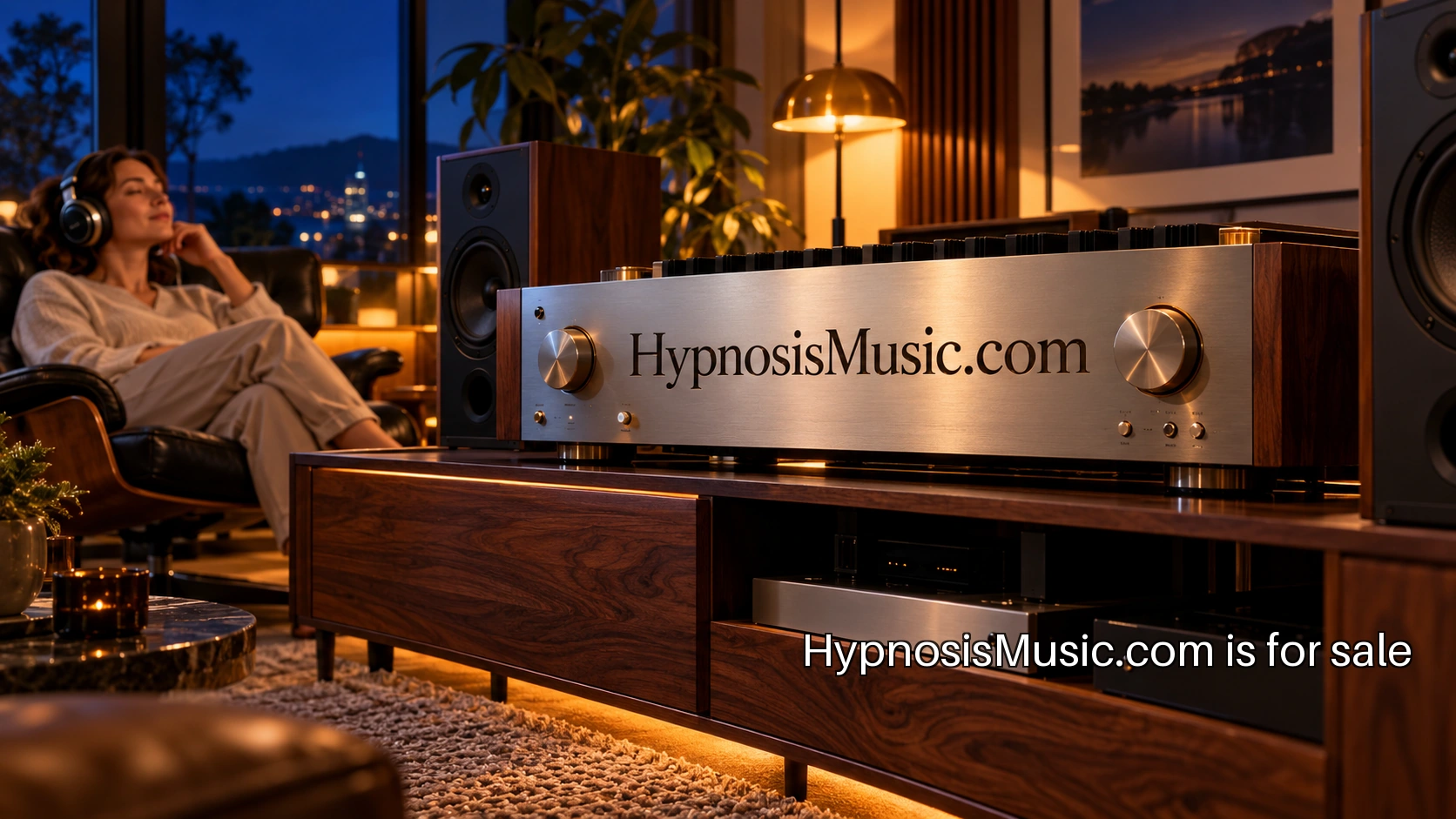
A focused listening library starts with a simple job: help someone choose a recording they want to hear again. HypnosisMusic.com could be the home of an instrumental collection with clear previews, useful descriptions and a consistent release standard. The founder's first task would be deciding which listening occasion the collection serves, then making the first set of recordings easy to understand and easy to use.
This is an illustrative business concept. A small original catalog gives the founder something specific to test before committing to a large subscription. Instead of launching with dozens of barely differentiated tracks, the first collection could offer a few clearly different musical textures, each with a short preview and a full version of a stated length. The listener should be able to hear the difference rather than decode a page of poetic labels.
Choose a first collection people can describe
An early release could contain six instrumental pieces built around sustained tones, sparse piano or a quiet acoustic texture. The founder would choose a consistent recording format and explain what is audible in each piece. A description such as “slow piano phrases with a soft sustained background and no voice” helps a listener make a choice. It describes the recording itself and gives the production team a standard they can check.
The catalog would also need a consistent way to show duration. A listener with twenty minutes available should be able to find a twenty-minute recording without opening every page. If a piece has several versions, the page should explain the difference between them: length, instrumentation, ending and whether narration is present. These details make a small catalog useful long before it becomes a large one.
The name fits this offer because it gives the collection one clear subject. HypnosisMusic.com could appear on the release page, the listening account and the support email. A founder can make the catalog deeper over time while keeping the same home for returning listeners and the same identity across releases.
Decide what the first purchase gives the listener
The first commercial offer might be a downloadable collection or a limited membership with a regular release schedule. Those models create different obligations. Downloads need clear file information, reliable delivery and an explanation of personal use. A membership needs a dependable reason to return, an understandable cancellation process and a release pace the producer can sustain.
A useful early exercise is to write the receipt before building the storefront. List the exact recordings, their formats, where they can be accessed and how the listener gets help. If the receipt requires several qualifications to explain the product, the first offer may need to become simpler. A small, clear purchase gives the founder a cleaner test of what listeners actually value.
Music rights need deliberate attention from the start. The U.S. Copyright Office explains the distinction between a composition and its sound recording. A library needs permission appropriate to the works it uses and the way it distributes them. Producing original material can make the chain of permissions easier to document, but the business still needs clear agreements with anyone contributing to a recording.
Make returning to a recording easy
The player matters as much as the catalog artwork. People need obvious play and pause controls, a visible duration and a way to identify the recording currently playing. A saved list or recently played view could be useful after the basics work reliably. Background playback and downloads should be tested on the devices the first audience actually uses.
Accessibility belongs in that first product decision. The W3C media accessibility guidance encourages planning for access early. For this library, that means looking at the player's controls, keyboard operation and the text information accompanying each recording. If spoken material is added later, the founder can plan its text alternatives as part of the release process rather than as a separate cleanup project.
Find the first listeners through the recordings
A practical distribution path is a public sample collection with a consistent place to hear more. Short previews could lead to a full recording page, where the listener sees the same title, artwork and description. The first goal is to learn which recordings people choose and which descriptions leave them uncertain. A large promotional campaign is harder to interpret when the offer is still changing every week.
The founder could invite a small group of prospective listeners to choose between several samples and explain their choices. The useful questions are concrete: which track would they save, what did they expect from its description, and what device would they use? Those answers can guide the next recording and the catalog structure without turning the product into a collection of guesses.
Give each release a repeatable finish
A release checklist would cover audio review, filenames, artwork, preview selection, metadata and the purchase flow. Someone should listen to the actual exported file from beginning to end. Version records should identify what changed when a track is replaced, so support can answer a question about the file a listener received. Keeping that routine small and repeatable gives the founder room to keep making music.
The first next step is to test a sample collection and a simple catalog page with prospective listeners. The founder can then decide whether the business should grow through individual collections, a membership or another listening format. To discuss acquiring HypnosisMusic.com for that business, describe the collection you have in mind on the Price Inquiry page.