
Business concept
A music catalog for practitioners
Your music catalog has a dedicated home for the practitioners who license it.
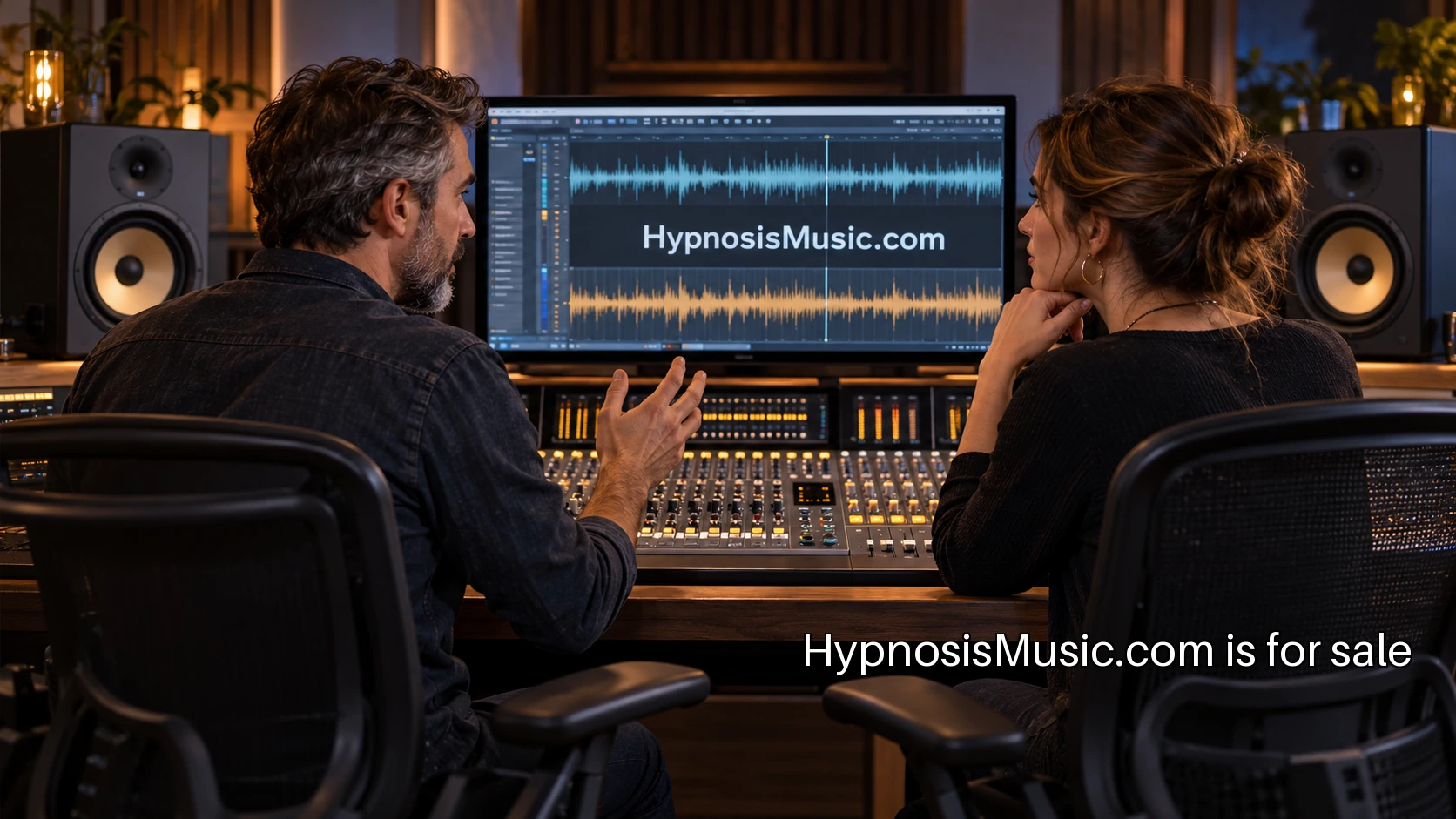
A practitioner choosing music for a session has a different job from a listener choosing something to play at home. The practitioner needs suitable audio, but also a clear answer about how that recording can be used. HypnosisMusic.com could support a licensing catalog built around that working relationship: original instrumental recordings, useful previews and written terms that match the intended use.
This is an illustrative business concept. The first customer could be an independent practitioner who uses instrumental music during appointments and sometimes makes guided recordings. The founder would begin by learning how those two activities differ in practice. A track played in a room, a recording delivered privately to one client and an audio product sold publicly raise different permission questions. The catalog can make those questions easier to ask before a purchase.
Start with the use, then the license
The first offer could be a small collection of original recordings with several clearly described licensing options. The product page would identify the recording and give the practitioner a place to describe the intended use. A basic comparison might distinguish in-person sessions, client-specific recordings and distributed products. The exact permissions would come from the written agreement prepared for the catalog, with professional advice where needed.
The U.S. Copyright Office distinguishes the musical composition from the sound recording. That distinction matters to a catalog because permission for one does not automatically settle every question about the other. A founder assembling the library needs a documented chain of rights for the material and the uses being offered. The catalog should keep that information with the recording rather than relying on a producer's recollection months later.
A practical first exercise is a use-rights matrix. Put the recording uses down one side and the questions a buyer asks across the top. Does the proposed activity involve a live audience, a download, a paid product or a platform upload? Will the buyer add spoken audio? Will a third party distribute the finished recording? The matrix is a brief for the agreement and the product page, not a substitute for either.
Make the recording useful in real work
A practitioner may need a predictable beginning, a clean ending and a duration that fits the session format. Those needs should influence production. A catalog could offer a full-length version, a shorter edit and a version with a longer fade, provided the differences are clear. Filenames should match the product page and the license receipt so the buyer can identify exactly what they downloaded.
Useful descriptions focus on what can be heard. Instrumentation, density, tempo character, prominent changes and the presence of voice are all practical information. A practitioner choosing a background for spoken material may want to know when a louder passage occurs. Time-stamped notes can help with that decision. The producer can make those notes during the final listening pass rather than asking each buyer to discover the same detail independently.
If the buyer will combine music and narration, keeping the source materials organized matters. The Audacity manual explains how separate tracks are combined during mixing and why an editable project remains useful after export. A catalog serving creators can include straightforward file guidance and version information so buyers can keep their own production work organized.
Build trust through the receipt and support
The purchase receipt should identify the recording, license version, named buyer and any agreed scope. A durable account page or downloadable record gives the practitioner somewhere to return when a client or distributor asks a question. If a license changes later, older purchases need a clear connection to the terms that applied at the time. That is an operational requirement worth planning before the first sale.
Support questions can also improve the catalog. If several buyers ask about one distribution channel, the founder has evidence that the comparison page needs a clearer answer. A short intake form can gather the intended use before a custom license conversation. The business should keep the response tied to the actual agreement, so informal email explanations do not become a second, conflicting set of terms.
Reach a focused first audience
A credible distribution path is direct contact with practitioner communities through useful audio samples and a clear explanation of the catalog's scope. The founder might publish a small preview set and invite practitioners to describe how they would use it. The point of the early conversation is to learn about duration, editing needs and permission questions. Those observations can shape the next collection and the purchasing experience.
A producer could also work with a small group of practitioners on a pilot catalog. Each participant would test the same sample pages and explain which information they needed before deciding. The founder can compare those conversations and find recurring needs. That is a more useful basis for the first offer than assuming every practitioner uses music in the same way.
HypnosisMusic.com fits this model as a common home for the recordings, the license explanation and the support relationship. The founder could keep one recognizable identity as the catalog gains contributors and additional formats. The next step is to draft a small recording set and a use-rights matrix, then review the proposed offer with the appropriate advisers. If this is the business you want to build, use the Price Inquiry page to discuss acquiring the domain.